Against Eunomius
A 4th c. polemical work by Saint Gregory of Nyssa.
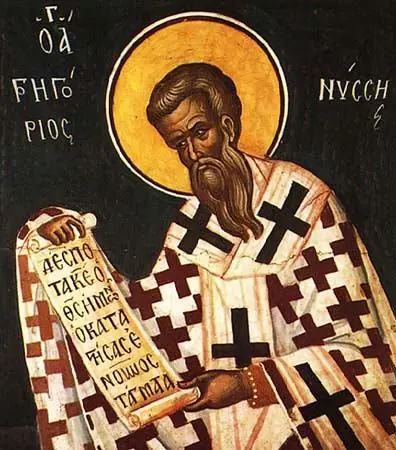
A 4th c. polemical work by Saint Gregory of Nyssa.
A 4th c. saint’s life by Saint Gregory of Nyssa.
A 4th c. letter by Saint Gregory of Nyssa.
A 4th c. treatise by Saint Gregory of Nyssa.
A 4th c. treatise by Saint Gregory of Nyssa.
A 4th c. treatise by Saint Gregory of Nyssa.
A 4th c. treatise by Saint Gregory of Nyssa.
A 4th c. dogmatic work by Saint Gregory of Nyssa.
A 4th c. dogmatic work by Saint Gregory of Nyssa.
A 4th c. dogmatic work by Saint Gregory of Nyssa.
A 4th c. dogmatic work by Saint Gregory of Nyssa.
A 4th c. pastoral work by Saint Gregory of Nyssa.
A 4th c. dogmatic work by Saint Gregory of Nyssa.
Every work below is free to read online and free to download — no account, no paywall. Browse all free ebooks.
Canon data: Wikidata (CC0) and the Patristic Text Archive / BBAW (CC BY-SA 4.0).